The Skincare Starter Stack: Stop Guessing and Start Optimizing
{{DESCRIPTION}}
{{HERO_IMAGE}}The Skincare Starter Stack: Stop Guessing and Start Optimizing
{{DESCRIPTION}}
{{HERO_IMAGE}}Complete Skincare Routine for Beginners: The Starter Stack
Beginner's guide to skincare: the starter stack, routine order, and product recommendations for clear skin and long-term anti-aging.
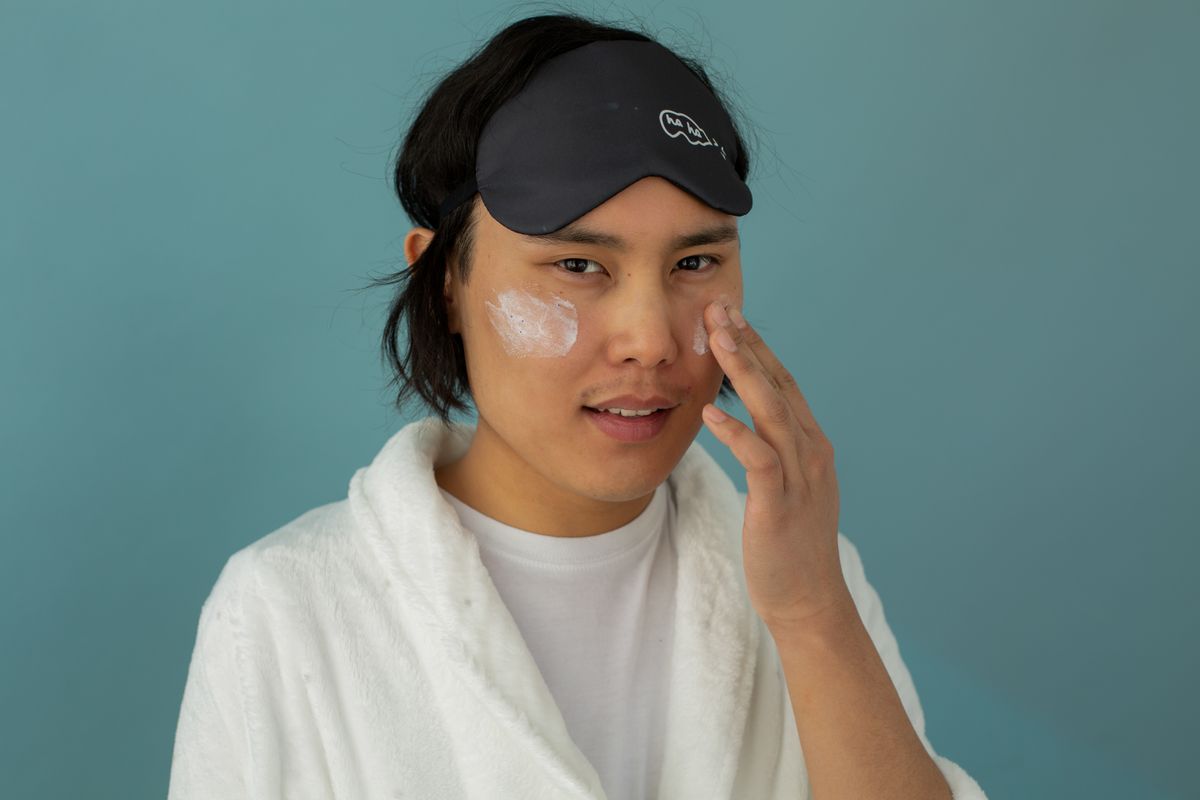
The Skincare Starter Stack: Stop Guessing and Start Optimizing
Most guys' skincare routine is cleanser and hope. They buy a random three-in-one face wash from the drugstore, slap on some lotion when their skin feels like sandpaper, and wonder why they still have breakouts or a dull complexion. Here is the hard truth: hope is not a protocol. If you are running factory settings on your face card, you are leaving massive gains on the table.
Skincare is not about vanity; it is about optimization. Your skin is the largest organ in your body and the first thing anyone notices. Clear, hydrated, and refined skin is a massive halo that elevates every other part of your appearance. It makes you look healthier, more disciplined, and more alert. Whether you are trying to fix acne, eliminate dark circles, or just stop looking tired, you need a structured stack. Not a 12-step Korean routine, but a lean, evidence-based system that delivers results without requiring a degree in chemistry.
The Core Stack: Cleansing, Hydrating, and Protecting
To ascend from an NPC routine, you need to master the three non-negotiables: Cleansing, Moisturizing, and Sun Protection. If you miss any of these, the rest of your products are essentially useless. This is the foundation upon which all other skinmaxxing is built.
First, the cleanser. Stop using bar soap on your face. Bar soaps are often too alkaline and strip your skin of its natural oils, which triggers your sebaceous glands to overcompensate by producing more oil. This creates a vicious cycle of greasiness and breakouts. Use a gentle, pH-balanced facial cleanser twice a day. In the morning, it removes the sweat and oils from overnight. In the evening, it removes the grime and pollution of the day. If you have oily skin, look for a foaming cleanser; if you have dry or sensitive skin, go for a hydrating cream cleanser.
Next is the moisturizer. Moisturizer is not just for people with dry skin. Even if you are naturally oily, you need a moisturizer to lock in hydration and maintain your skin barrier. A damaged barrier leads to sensitivity, redness, and increased acne. Choose a lightweight, non-comedogenic moisturizer that does not clog pores. Apply it while your skin is still slightly damp to maximize absorption. This is how you get that refined, healthy glow without looking like a grease ball.
Finally, the most critical step: sunscreen. If you are not wearing SPF every single day, you are essentially fast-tracking your way to premature aging. UV rays destroy collagen and create hyperpigmentation. No amount of expensive serums can fix the damage caused by a decade of sun exposure. Use a broad-spectrum SPF 30 or higher every morning. If you hate the feeling of sunscreen, look for a Korean or Japanese essence-style sunscreen; they disappear into the skin and leave zero white cast. Consistent sun protection is the single most effective anti-aging protocol in existence.
Advanced Optimization: Serums and Actives
Once your foundation is dialed in, you can start adding actives to target specific issues. This is where you move from basic maintenance to active optimization. The key here is to introduce one product at a time. If you dump four new serums on your face at once and have a reaction, you will have no idea which one caused the failo.
For those battling acne or wanting to refine texture, Salicylic Acid (BHA) is the gold standard. It is oil-soluble, meaning it can penetrate deep into the pores to dissolve the plugs of sebum and dead skin that cause breakouts. Use it 2 to 3 times a week in the evening. Overdoing it will compromise your skin barrier, so start slow.
If your goal is anti-aging and a lethal face card, you need a retinoid. Retinol and its prescription cousin, Tretinoin, are the most studied ingredients in dermatology. They increase cell turnover and stimulate collagen production, effectively smoothing out fine lines and clearing acne. Warning: retinoids make your skin more sensitive to the sun, making that morning SPF non-negotiable. Apply a pea-sized amount at night and build up your tolerance gradually.
For dark spots and a brighter complexion, Vitamin C is your best friend. It is a powerful antioxidant that neutralizes free radicals and inhibits melanin production. Apply it in the morning after cleansing and before moisturizing. It works synergistically with your sunscreen to provide a double layer of protection against environmental damage.
The Maintenance Protocol: Consistency Over Intensity
The biggest mistake guys make is the "intensity trap." They buy the strongest acid they can find, use it every day for a week, destroy their skin barrier, and then quit skincare entirely because "it doesn't work." Skincare is a marathon, not a sprint. The results come from the boring consistency of a daily routine, not a one-time miracle product.
Your protocol should be streamlined. Morning: Cleanser, Vitamin C (optional), Moisturizer, SPF. Evening: Cleanser, Active (Retinol/BHA), Moisturizer. That is it. If you can't stick to this for 90 days, you are just playing house. The skin takes about 28 days to cycle; you won't see the real gains for at least two cycles. Patience is part of the process.
Finally, remember that skincare does not exist in a vacuum. You cannot out-moisturize a diet of processed seed oils and sugar. Hydration starts from the inside. Drink 3 to 4 liters of water a day, prioritize sleep to allow for cellular repair, and manage your cortisol levels. When your internal biology is optimized, your skincare products can actually do their job instead of just fighting a losing battle against your lifestyle.
Stop running a normie routine. Dial in the basics, add the actives, and commit to the long game. Your future self will thank you when you're 35 and still have the skin of a 22-year-old.